More Blogs
Explore Other Blog






Get in touch
Get a quote today
5 Things to Know Before Building on a Rural Lot in Webster County
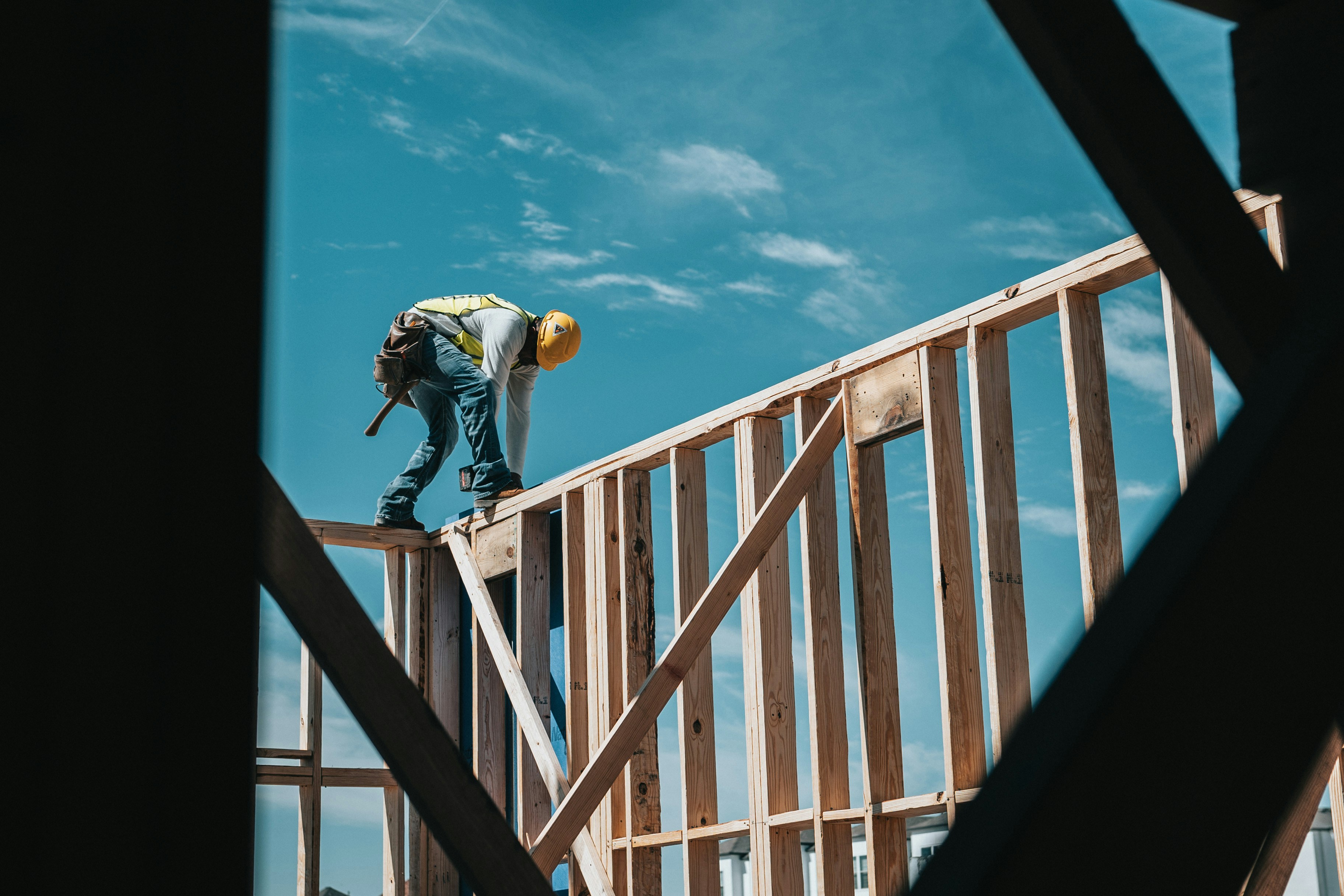
Webster County is attracting more buyers every year — and it's easy to see why. Larger parcels, quieter surroundings, and a cost of living that still makes sense are pulling families and individuals out of the Springfield metro and into communities like Rogersville. But buying a rural lot and building on it are two different things. Before you break ground, there are a handful of considerations that catch first-time rural builders completely off guard. Here's what you need to know going in.
The Site Assessment Comes Before Everything Else
The biggest mistake rural lot buyers make is falling in love with the land before anyone has looked at it seriously. A beautiful piece of Webster County property can present real construction challenges — rocky soil, poor drainage, steep grade changes, or limited access — that dramatically affect what it costs to build and how long it takes.
What a Proper Site Assessment Covers
A thorough site assessment looks at soil composition, natural drainage patterns, slope and elevation changes, existing vegetation that affects building placement, and utility access. In rural Webster County, utility access alone — water, electric, and sewer or septic — can significantly affect your project scope before a single wall goes up.
Why This Matters for Your Budget
Site preparation on a rural lot can range from straightforward to substantial depending on conditions. Builders who skip the site assessment and give you a number based on square footage alone are setting you up for surprises. A good contractor factors site conditions into the estimate from the start.
2. Septic Systems Are Part of the Build, Not an Afterthought
Many rural parcels in Webster County are not connected to municipal sewer systems. That means your project will require a septic system — and septic design, permitting, and installation is its own process that runs parallel to the home build itself.
Getting Your Lot Perc Tested
Before a septic system can be permitted, the soil needs to pass a percolation test — commonly called a perc test — to determine how well it absorbs water. Not every lot passes, and the results affect what type of septic system is required. This is something to address before you finalize a lot purchase, not after.
How Septic Placement Affects Your Floor Plan
Septic systems require specific setbacks from the home, property lines, and any water sources. These requirements can influence where the home sits on the lot and how the floor plan is oriented. A builder who coordinates early between the home design and the septic design saves you from costly adjustments later in the process.
3. Webster County Permitting Has Its Own Timeline
Building in Webster County — whether within Rogersville city limits or in the unincorporated county — means working within a permitting process that operates on its own schedule. Rural permitting timelines can differ significantly from what suburban builders are used to, and underestimating this is one of the most common causes of project delays.
City vs. County Jurisdiction
Where your lot falls within or outside Rogersville city limits determines which set of requirements applies. City permits and county permits involve different offices, different inspectors, and sometimes different code standards. An experienced local builder knows which jurisdiction applies to your parcel and navigates the process accordingly.
Building the Timeline Around Permits, Not Despite Them
A realistic project timeline accounts for permitting from the beginning. Builders who promise aggressive timelines without factoring in permit lead times are either inexperienced with rural builds or telling you what you want to hear. Ask your builder how they handle permitting as part of the process — it should be their responsibility, not yours.
4. Access and Infrastructure Can Be Bigger Costs Than the Build Itself
On a rural Webster County parcel, getting to the buildable area of the lot may require more work than buyers expect. Gravel roads, culverts, utility line extensions, and well drilling — where municipal water isn't available — are all real cost items that belong in your project budget from day one.
Utility Extensions in Rural Areas
Extending electric service to a rural lot involves coordination with the local utility provider and can involve significant trenching or overhead line work depending on how far the lot sits from the nearest connection point. Water line extensions, where available, carry their own costs. Getting utility cost estimates early is essential for accurate project budgeting.
Road and Driveway Access
Rural lots often require a proper driveway approach from a county road, which may involve culverts and coordination with the county road department. If the lot is accessed via a private road or easement, the condition and legal status of that access needs to be verified before construction begins. These aren't deal-breakers — but they're details that belong in the planning phase, not the construction phase.
5. Choose a Builder With Rural Experience, Not Just Residential Experience
Building a subdivision home and building on a rural Webster County parcel are fundamentally different projects. A builder with strong suburban residential experience may be completely unprepared for the site-specific problem-solving that rural construction requires. The questions you ask during the contractor selection process matter.
What to Ask a Builder Before Hiring
Ask specifically about rural and Webster County experience. Ask how they handle site assessments, how they coordinate septic permitting, and how they manage utility access as part of the project scope. A builder who's done this before will answer those questions specifically. One who hasn't will give you vague answers about their general construction experience.
The Value of Local Knowledge
A contractor who knows Webster County — the local permitting offices, the soil conditions common to the area, the utility providers and their processes — brings practical value that a general residential builder can't match. That local knowledge shortens timelines, reduces surprises, and produces a better result.
Building on a rural lot in Webster County is one of the most rewarding construction projects you can take on — the land is there, the value is there, and the lifestyle it offers is genuinely hard to find anywhere near a metro. But it rewards preparation. Know your site, understand your infrastructure needs, and choose a builder with real experience in this specific environment.
If you're planning a build in Rogersville or the surrounding Webster County area, Limitless Construction offers free consultations and brings hands-on experience with rural lot construction to every project.
