More Blogs
Explore Other Blog




Get in touch
Get a quote today
What to Expect When Building a Custom Home in Springfield, MO
Building a custom home in Springfield is one of the most significant investments you'll make — and one of the most rewarding when it's done right. But for most buyers, the process is unfamiliar territory. What happens first? How long does it actually take? What does Greene County permitting involve, and when does it happen? These are the questions that separate buyers who feel confident throughout their build from those who feel like they're always a step behind. Here's what the custom home process actually looks like in Springfield, from the first conversation to the day you get your keys.
Step 1 — The Initial Consultation and Site Assessment
The custom home process doesn't start with blueprints. It starts with a conversation and a site visit. Before any design work begins, a qualified Springfield builder will want to understand two things: your vision for the home and the specific conditions of the lot you're building on.
What the Consultation Covers
The initial consultation is where you lay out your priorities — square footage, layout preferences, must-have features, budget range, and timeline. A good builder listens more than they talk in this conversation. They're gathering the information they need to tell you what's realistic, not just what you want to hear.
Why the Site Assessment Matters
The site assessment is where the practical reality of your build gets established. In Springfield, lot conditions vary significantly depending on where you're building. Infill lots in established neighborhoods come with different considerations than raw parcels on the city's growing edges. The assessment looks at soil conditions, drainage, utility access, grade changes, and any site-specific factors that will affect foundation design, grading costs, and overall project scope. Skipping this step — or working with a builder who skips it — is one of the most common causes of budget surprises mid-build.
Step 2 — Design and Planning
Once the site is assessed and the initial consultation establishes your vision and budget framework, the design phase begins. For custom homes, this is where your floor plan, exterior design, and material selections take shape.
Custom Design vs. Modified Plans
Some custom home buyers come with a detailed vision already mapped out. Others start with a general idea and develop it through the design process. Both are valid starting points. What matters is that the final design reflects how you actually want to live — not a floor plan pulled off a shelf and slightly adjusted. A custom build is an opportunity to get the layout, the flow, and the features exactly right. Take the time to get it right in the design phase, because changes mid-construction are significantly more expensive.
Locking In Material Selections Early
Material selections — flooring, cabinetry, countertops, fixtures, roofing, siding — should be finalized before construction begins, not decided on the fly as the build progresses. In Springfield's current construction environment, lead times on certain materials can affect your project schedule. A builder who helps you get selections locked in early is protecting your timeline, not just checking a box.
Step 3 — Greene County Permitting
Permitting is where a lot of first-time custom home buyers lose time — usually because they didn't know what the process involved or how long it would take. In Springfield and Greene County, the permitting process is well-established, but it runs on its own timeline and requires specific documentation.
What Permits Are Required
A custom home build in Springfield typically requires a building permit, electrical permit, plumbing permit, and mechanical permit at minimum. If the lot requires a septic system rather than municipal sewer connection, a separate permit through the appropriate county health authority is also required. Your builder should handle the permit applications as part of the project — if they're asking you to manage this yourself, that's a flag.
How Long Permitting Takes in Greene County
Permitting timelines in Greene County can range from a few weeks to several months depending on project complexity, current permit office volume, and whether any revisions are required after initial review. A realistic project timeline accounts for permitting from the beginning — not as an afterthought. Ask any builder you're considering how they factor permit timelines into their project schedules.
Inspections Throughout the Build
Permitting isn't a one-time event — it's an ongoing process throughout construction. Building inspections occur at key milestones: foundation, framing, rough electrical, rough plumbing, insulation, and final. Each inspection must be passed before the next phase of construction begins. An experienced Springfield builder knows the inspection schedule and plans the build accordingly so inspections don't become bottlenecks.
Step 4 — Construction
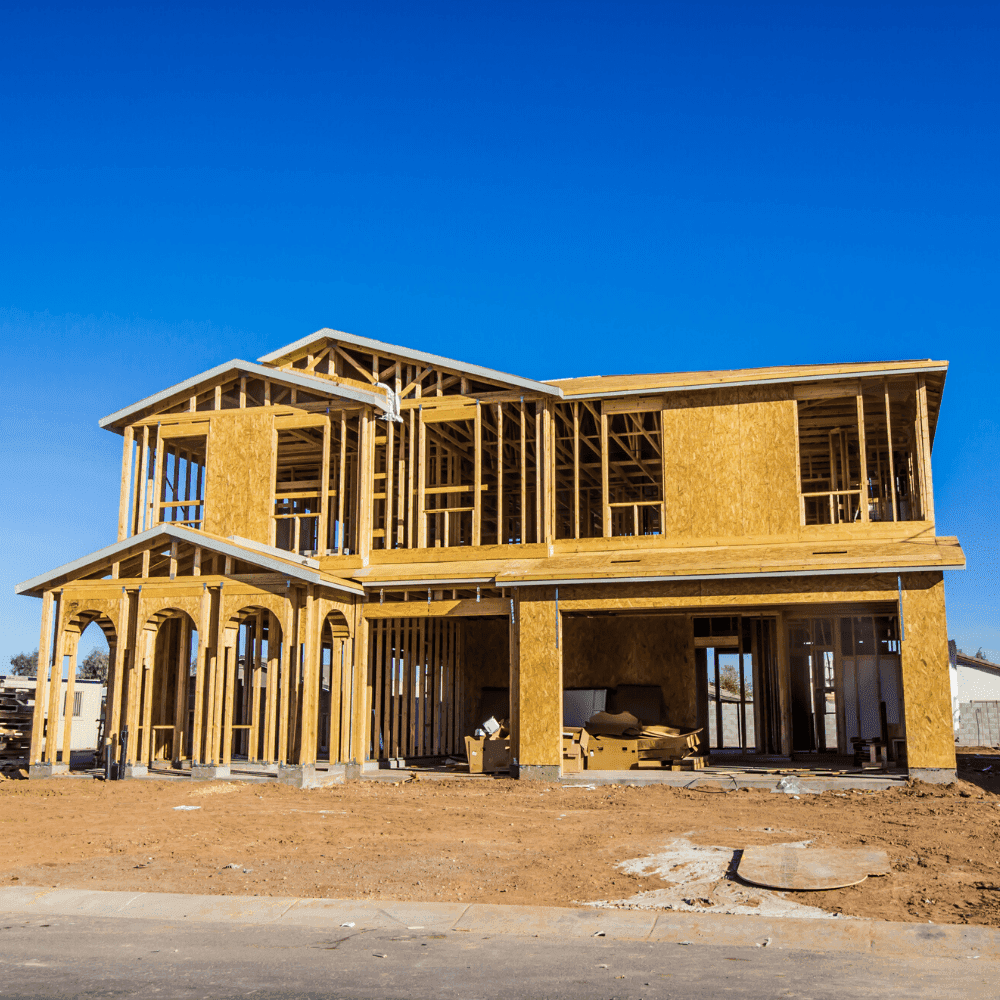
Once permits are issued and the site is prepared, construction begins. For a custom home in Springfield, the typical build sequence moves through site preparation, foundation, framing, rough systems, insulation, drywall, finishes, and final systems — in that order.
Site Preparation and Foundation
Site prep involves clearing, grading, and preparing the lot for the foundation. In Springfield, foundation type depends on site conditions — slab foundations are common on level lots, while walk-out basements are often the right choice on sloped sites. The foundation is the most critical phase of any build. What gets poured or laid here affects everything above it for the life of the home.
Framing and Rough Systems
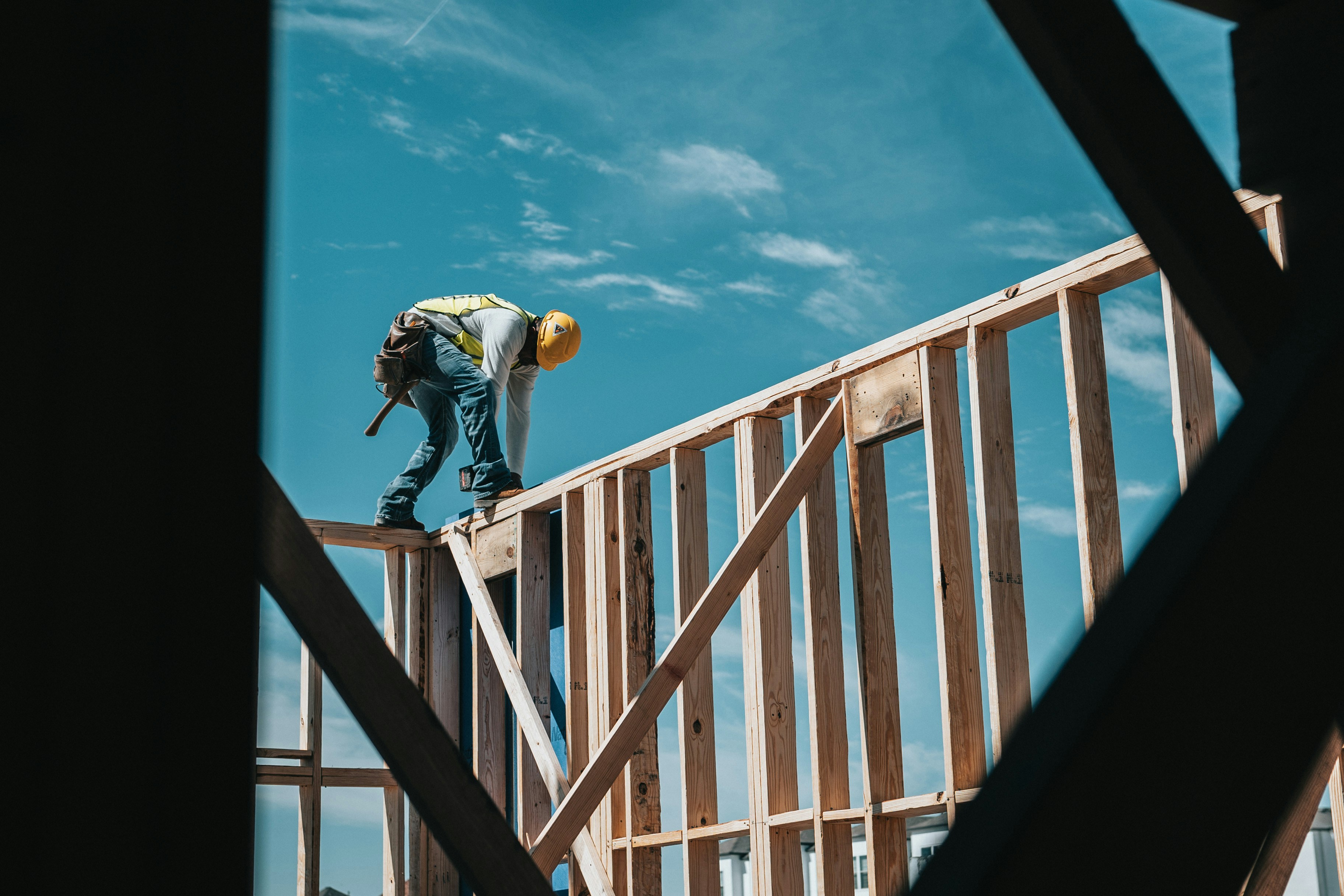
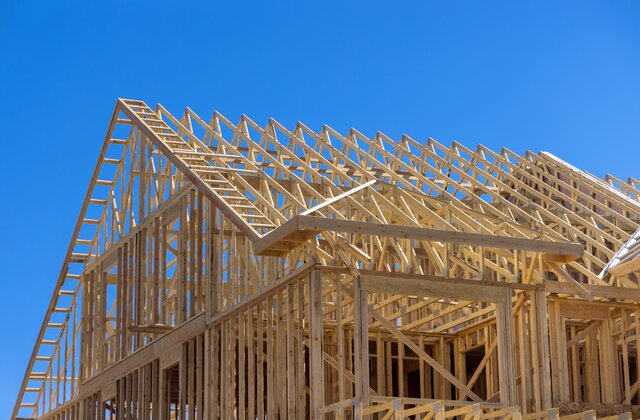
Once the foundation is set, framing goes up — walls, floors, and roof structure. After framing, rough electrical, plumbing, and HVAC systems are installed before walls are closed. This is the phase where the home starts to look like a home, and it's also where the quality of the contractor's subcontractor relationships shows up. Experienced Springfield builders work with consistent trade partners they trust — not whoever is available that week.
Finishes and the Final Stretch
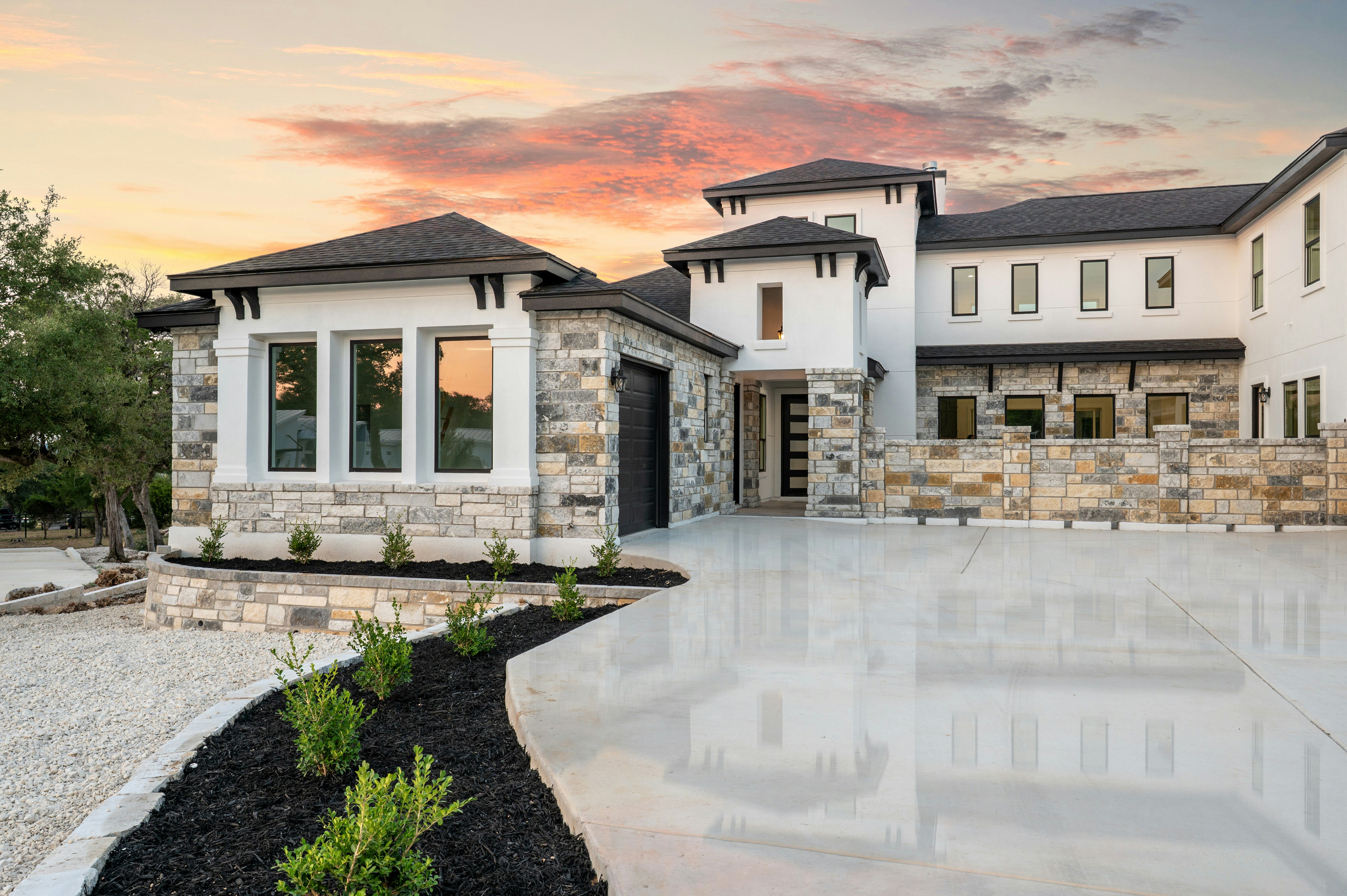
The finish phase — drywall, paint, flooring, cabinetry, countertops, fixtures, trim — is where your material selections come to life and where the character of the home is established. This phase takes patience. Rushing finishes to hit an arbitrary deadline produces results that are immediately visible to anyone who walks through the home. A builder worth working with doesn't rush the finish phase.
Step 5 — Final Walkthrough and Handover
The final walkthrough is where you and your builder go through the completed home systematically — every room, every system, every finish — to identify anything that needs to be addressed before you take possession. This is not a formality. It's a critical step in the process.
What to Look for in the Final Walkthrough
Go through every door and window — they should open, close, and lock properly. Run every faucet and flush every toilet. Test every light switch and outlet. Check every finish surface for damage, gaps, or imperfections. Look at grout lines, caulk joints, and paint edges. A thorough walkthrough takes time. Don't let anyone rush you through it.
The Punch List
Any items identified during the walkthrough go on a punch list — a written record of what needs to be corrected or completed before final sign-off. A reputable builder resolves the punch list before handing over the keys. If a builder is pushing you to close out and take possession before the punch list is resolved, that's a problem worth taking seriously.
How to Choose the Right Springfield Builder
The custom home process is only as good as the builder leading it. Springfield has no shortage of contractors, but not all of them are equipped for custom residential work. Here's what to look for.
Local Experience in Springfield and Greene County
A builder who knows Springfield — the permitting process, the local trade network, the site conditions common to different parts of the city — brings practical value that a general contractor without local roots can't match. Ask specifically about recent custom home projects in Springfield and follow up on the references you're given.
Transparency on Timelines and Costs
The builders who set unrealistic timelines and low initial estimates to win work are the ones who create problems mid-project. A builder who gives you a realistic picture upfront — even if it's not what you were hoping to hear — is a builder who's invested in a good outcome rather than just closing the deal.
Building a custom home in Springfield is a process worth doing carefully and doing right. If you're ready to start the conversation, [Limitless Construction offers free consultations] for custom home projects throughout Springfield and the greater Greene County area.
